Mold Restoration in Dallas, TX
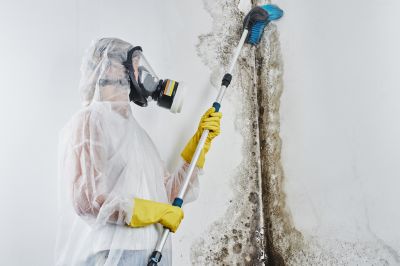
Mold restoration services involve identifying and removing mold growth from residential properties to improve indoor air quality and prevent structural damage. These projects typically address issues such as water intrusion, high humidity, or previous mold infestations, focusing on affected areas like basements, bathrooms, attics, or walls. Property owners usually want to understand the extent of mold presence, the methods used for removal, and the importance of proper moisture control to prevent future growth before requesting restoration work.
Before initiating a mold restoration project, homeowners should consider the scope of the mold problem, including whether it is localized or widespread. It’s important to assess if water damage or leaks are contributing to mold growth, as addressing these underlying issues is essential for effective remediation. Additionally, understanding the procedures involved, potential health considerations, and the need for thorough cleaning and drying can help property owners make informed decisions about restoring a safe and healthy living environment.
Many property owners in Dallas, TX look into Mold Restoration for repairs, replacements, upgrades, and appearance-related improvements.
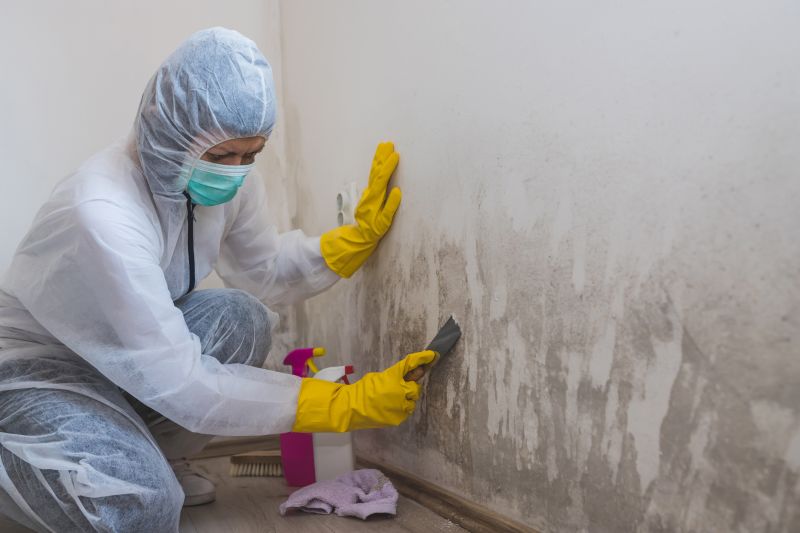
Mold Damage Prevention
Addressing moisture issues helps prevent mold growth in residential and commercial spaces.
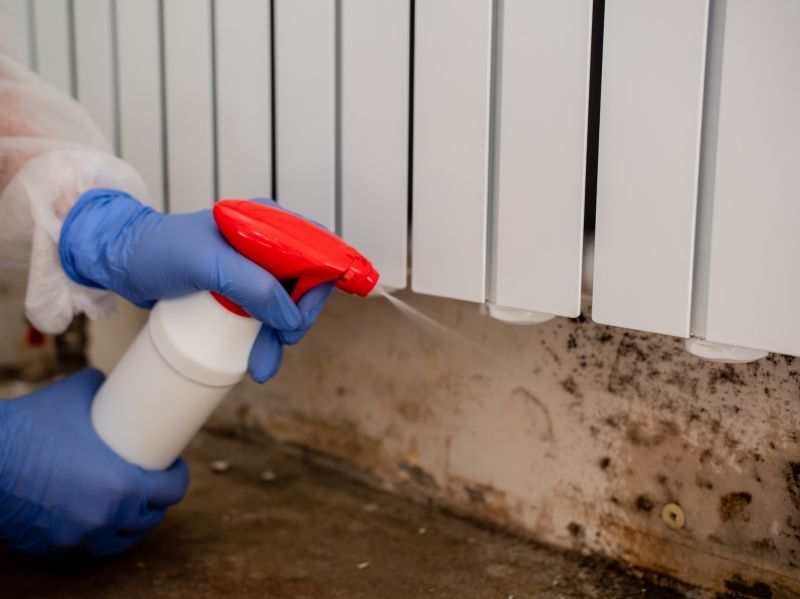
Mold Removal Solutions
Effective mold restoration restores safety and cleanliness to affected areas in dallas homes.
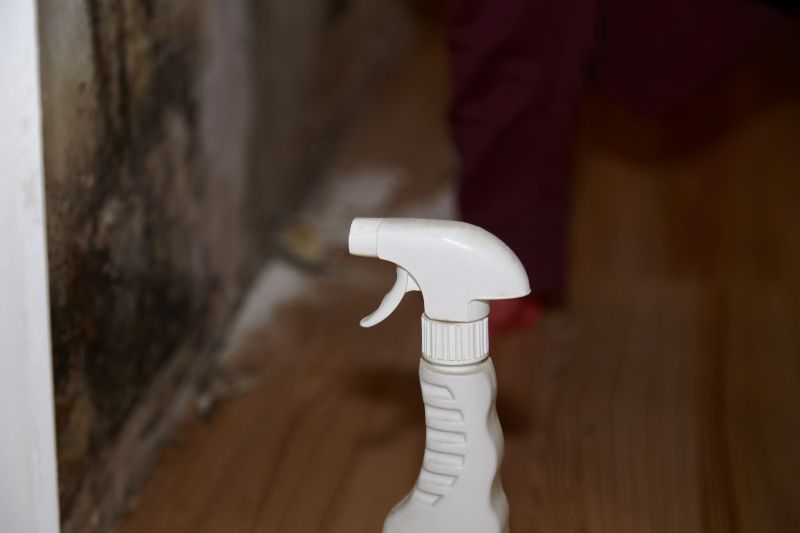
Post-Remediation Care
Proper cleaning and drying ensure mold does not return after initial removal efforts.
Mold Restoration in Dallas, TX
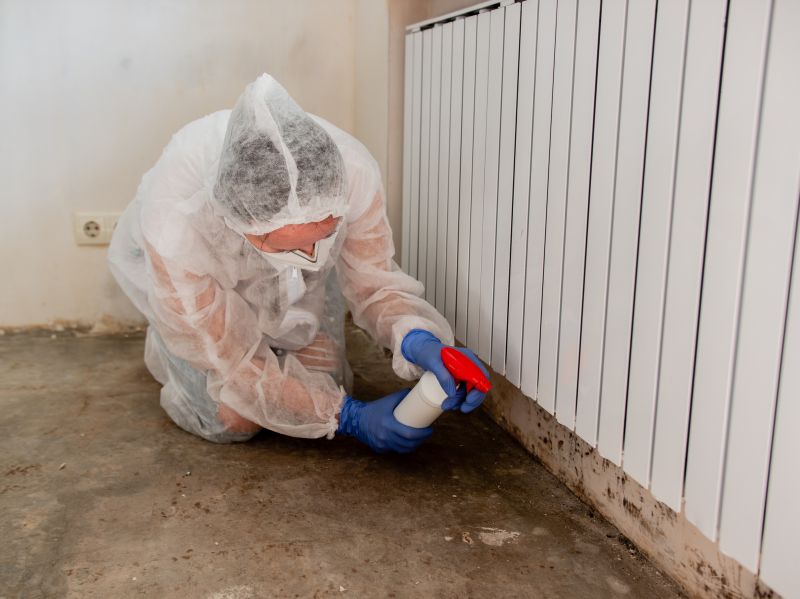
Mold restoration services involve identifying and removing mold growth from residential properties to improve indoor air quality and prevent structural damage. These projects typically address issues such as water intrusion, high humidity, or previous mold infestations, focusing on affected areas like basements, bathrooms, attics, or walls. Property owners usually want to understand the extent of mold presence, the methods used for removal, and the importance of proper moisture control to prevent future growth before requesting restoration work.
Before initiating a mold restoration project, homeowners should consider the scope of the mold problem, including whether it is localized or widespread. It’s important to assess if water damage or leaks are contributing to mold growth, as addressing these underlying issues is essential for effective remediation. Additionally, understanding the procedures involved, potential health considerations, and the need for thorough cleaning and drying can help property owners make informed decisions about restoring a safe and healthy living environment.
Many property owners in Dallas, TX look into Mold Restoration for repairs, replacements, upgrades, and appearance-related improvements.
Common Mold Restoration Jobs
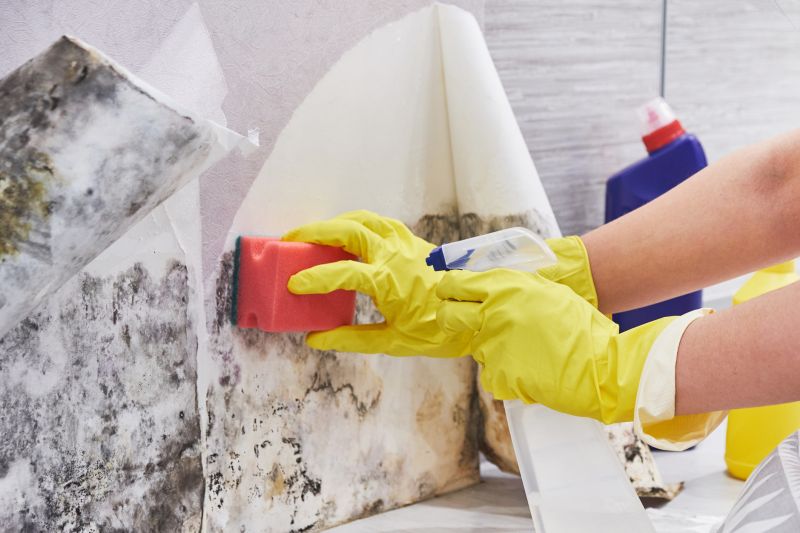
Mold removal - comprehensive cleaning to eliminate mold from affected areas.
Water damage repair - addressing moisture issues that contribute to mold growth.
Drying and dehumidification - reducing humidity levels to prevent mold recurrence.
Surface cleaning and disinfecting - sanitizing surfaces to ensure a healthy indoor environment.
Structural drying - restoring compromised building materials to prevent mold spread.
Mold prevention consulting - advice on moisture control to reduce future mold risks.
Mold Restoration Questions
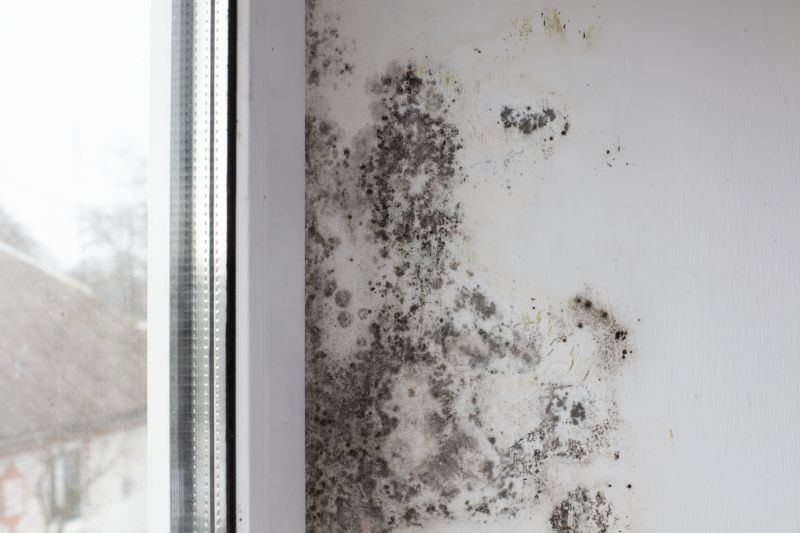
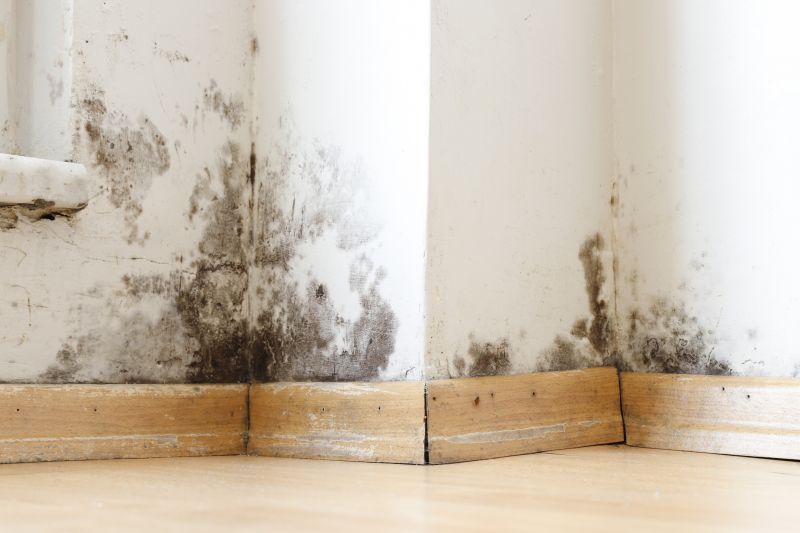
What are common signs of mold growth in a home? Visible spots, musty odors, and increased allergy symptoms can indicate mold presence.
How does mold affect indoor air quality? Mold releases spores that can reduce air quality and cause respiratory issues for occupants.
What areas are most susceptible to mold problems? Bathrooms, basements, and areas with high humidity are common sites for mold development.
What should property owners do if mold is suspected? It is recommended to have a professional assessment to determine the extent and appropriate removal measures.
Request Mold Restoration in Dallas, TX
Use the quote form on this page to share the basics of your project and request more information for the type of work you need.